
Quick answer
Prepare a loadout you can afford to lose, enter with one clear objective, and start planning your exit before a fight spends your healing or mobility. Mistfall Hunter is a PvPvE extraction loop in which monsters, rival Gyldhunters, loot, and the closing mist all compete for the same attention. A successful run is the one that converts useful finds into an extraction, not necessarily the one with the most eliminations.
Gameplay: how an expedition works
The official overview frames each run around descending into mist-filled ruins, fighting corrupted enemies, and returning with spoils. It also presents both solo play and teamwork, so a route should be chosen for the people actually entering it rather than for an ideal squad that may never form. The beginner material treats movement, combat, looting, survival, and getting out as connected lessons.
An expedition begins before matchmaking because class, weapons, skills, supplies, and bag space determine which problems you can solve safely. Once inside, the short loop is to read the immediate terrain, decide whether the nearest encounter serves the objective, collect only what you can protect, and reassess the route. The map and mist state are decision tools, not background decoration, because a delayed retreat can turn a manageable encounter into a forced fight.
Preparation before the queue
Set one primary purpose for the run, such as learning a safe path, completing a modest task, finding a particular category of loot, or practicing a weapon interaction. A narrow purpose makes it easier to tell when the run has already succeeded and when extra risk is optional. It also keeps a new player from treating every chest, monster, and nearby player as a mandatory challenge.
Before entering, use the MistfallDB Beginner Guide to set a retreat rule: leave after the objective, a valuable find, or low resources. In a duo or trio, say that rule out loud so teammates know whether to regroup, cover a withdrawal, or continue an objective. The exact live rules, item values, and extraction conditions can change, so any detail not confirmed in the current client is To be confirmed.
A small pre-run checklist
- Pick one weapon route and review its live skill descriptions.
- Carry only equipment you can replace after a bad run.
- Set one objective and one reason to leave early.
- Check the map, the mist, and the squad plan before committing to a fight.
Combat and looting decisions
Combat in Mistfall Hunter is not only a damage race because positioning, Energy, enemy attention, and exit access influence the result. The In-Game Codex describes dodging, weapon switching, healing, and escaping pressure as part of survival. Start an encounter only when you can explain what success looks like and where you will move if the first exchange goes badly.
Against PvE threats, use the encounter to learn timing and to create space, not to stand still until every nearby reward is collected. Powerful enemies, challenge zones, and high-value objectives can draw attention from other players, so completing the PvE task may create a PvP problem immediately afterward. If the cost of staying rises faster than the value of the next reward, reposition or leave with the information you gained.
Against other players, assume that visibility and numbers are incomplete until the area is checked. A clean opening can be stronger than a long chase because committed cooldowns and healing change the extraction plan. Community tips can suggest habits worth testing, but they are not proof that a strategy is current or universally safe.
When an encounter changes the plan
- Heal and reset if the opening trade goes poorly.
- Take a high-value item only when the squad can protect the carrier and leave.
- Avoid a prolonged chase when the mist, another squad, or missing resources removes the exit margin.
- Treat a retreat as a completed decision when it preserves a useful haul or a future attempt.
Loss, extraction, and the value of leaving
Extraction is the point at which a run’s loot becomes a result. The official site says players must locate the Returner Woodling, obtain a Soul of Return, and use it to find a way home. Confirm the current in-client wording and any map-specific conditions before relying on an old route description.
Because death puts carried equipment and loot at risk, leaving early can be a stronger result than taking one more uncertain fight. The decision should compare the current haul, remaining healing, route knowledge, squad condition, and the likelihood that another encounter blocks the exit. It should not be reduced to a kill count or a community label such as “best” without current evidence.
Build an extraction habit by calling the exit decision before bags are full. Mark the direction of travel, regroup after noise or a fight, and avoid splitting a team over optional containers when an exit window is available. If a route, timing, or requirement is not visible in the live client or a current official update, it is To be confirmed.
Your first-run priorities
For the first expedition, favor information over a perfect haul. The Beginner Guide supports learning an entry-to-exit path, pressure points, and a basic fight without spending every resource. A quiet extraction with a small bag can validate more than an aggressive run that ends before you see the return path.
Keep early experiments simple by changing one layer at a time. If a weapon feels awkward, practice its basic actions and one skill before redesigning talents, equipment, and the route around it. If the route feels dangerous, keep the same loadout and change only the travel decision so the result tells you something specific.
Solo players should prioritize lines of sight, disengagement space, and a route that does not rely on a teammate arriving at the right moment. Squads should decide who leads, who watches the rear, who carries a valuable item, and what call ends the attempt. Neither format guarantees safety, but clear roles prevent a surprise from becoming three unrelated fights.
FAQ
Can I play solo?
Yes, the official overview says players can fight alone or with allies. Solo play makes route knowledge, cover, and disengagement more important because there is no teammate to divide pressure or recover a mistake. Choose a smaller objective and leave when the run has already delivered the practice or loot you came for.
Should I fight every player or monster I find?
No. Fight when it advances the run objective, protects the route, or creates a safer extraction; otherwise, observation or withdrawal can be the better choice. A nearby enemy may be valuable information but not a worthwhile commitment when resources are low.
What should I read after this guide?
Compare classes before choosing a role, use the builds directory to understand setup layers, and consult the map guide for orientation. The Cipher guide and Twitch Drops guide answer their specific questions separately. Return here when you need to turn those choices into a practical first-run plan.
Sources and verification
This guide combines official framing with database material and labels third-party observations. The first gameplay video below was sponsored and based on early access, so it is used for observable flow, not current rules. Recheck patch-sensitive rules, values, and extraction conditions in the live client or updates.
- A · Official — Mistfall Hunter site for the PvPvE premise, loot risk, and Returner Woodling extraction; recheck live changes.
- A · Official — Mistfall Hunter YouTube for gameplay demonstrations, not unverified live claims.
- B · Database-Wiki — MistfallDB Beginner Guide for tutorial combat, survival, and extraction; recheck patches.
- B · Database-Wiki — MistfallDB In-Game Codex for mechanics; check live wording after updates.
- C · Media-Community — Gameplay and Impressions video for sponsored, early-access observable flow only.
- C · Media-Community — Is It Worth Playing? video for personal context; verify live facts elsewhere.
- C · Media-Community — PC Gamer demo impressions for demo context, not live rules.
- C · Media-Community — Community general tips for FAQ prompts, not authoritative mechanics.
Browse all guides
Search the published Mistfall Hunter guides by topic and difficulty.
Showing 6 of 6 guides
General Guides
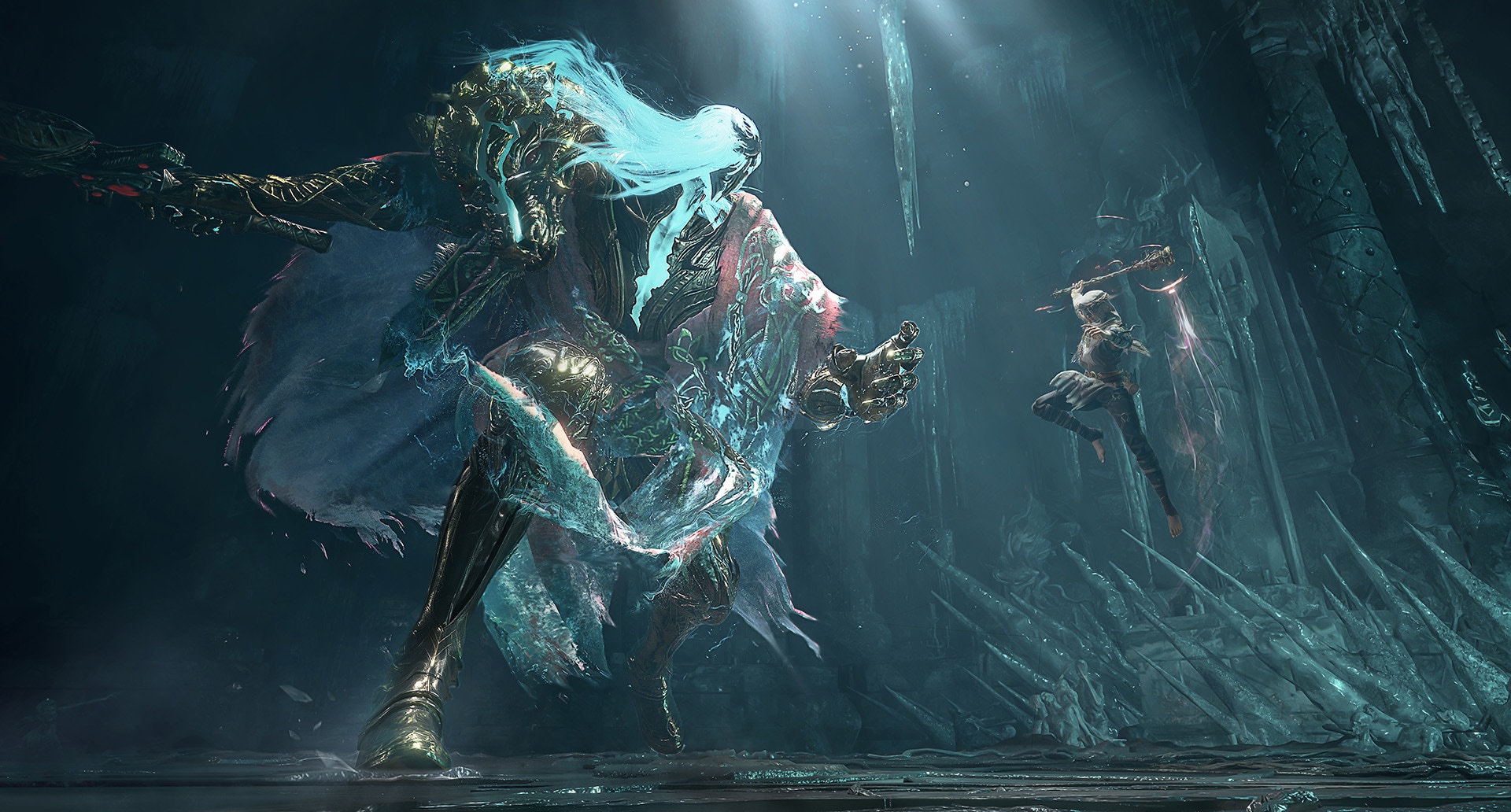 Beginner
Beginner Expedition Guide
Combat fundamentals, sensible looting, equipment risk, and the decisions behind a successful first extraction.
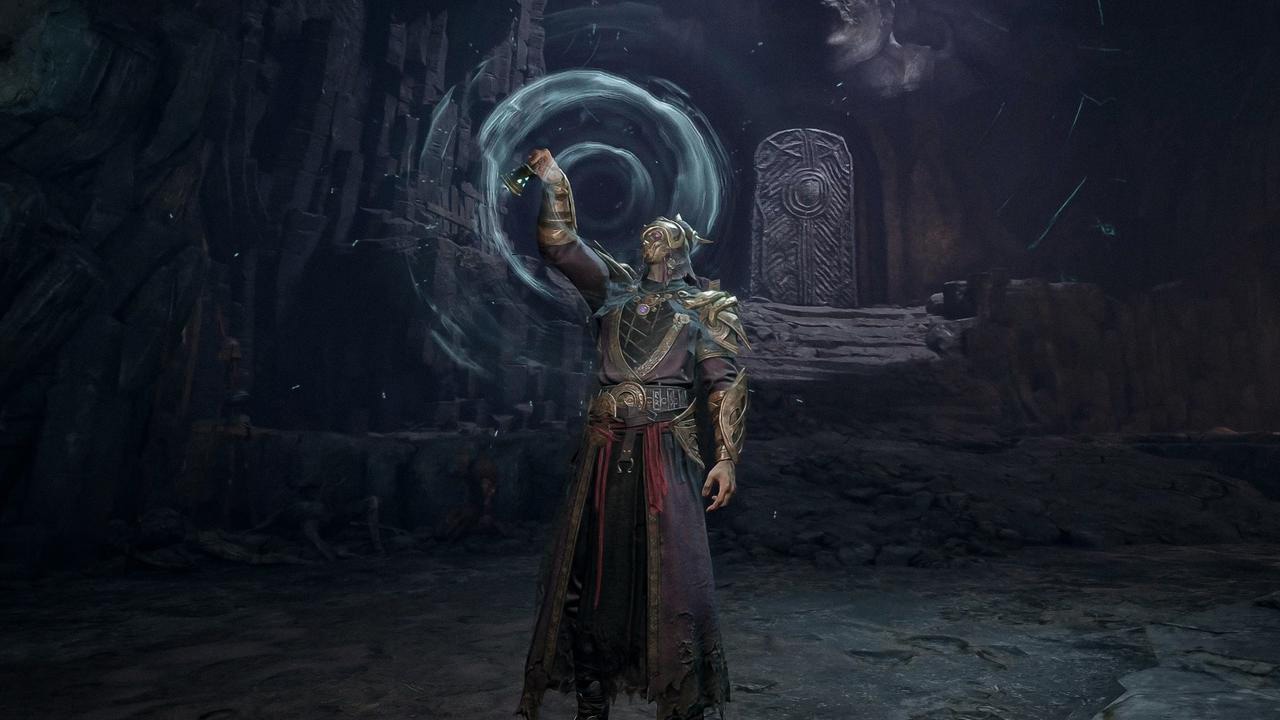 All Difficulties
Cipher Guide and NPC Matchups
Identify Ciphers, plan hand-ins around extraction routes, and separate verified rewards from time-sensitive reports.
 Beginner
Twitch Drops Guide
Link the right accounts, confirm campaign eligibility, claim rewards, and troubleshoot missing drops.
Build Strategies
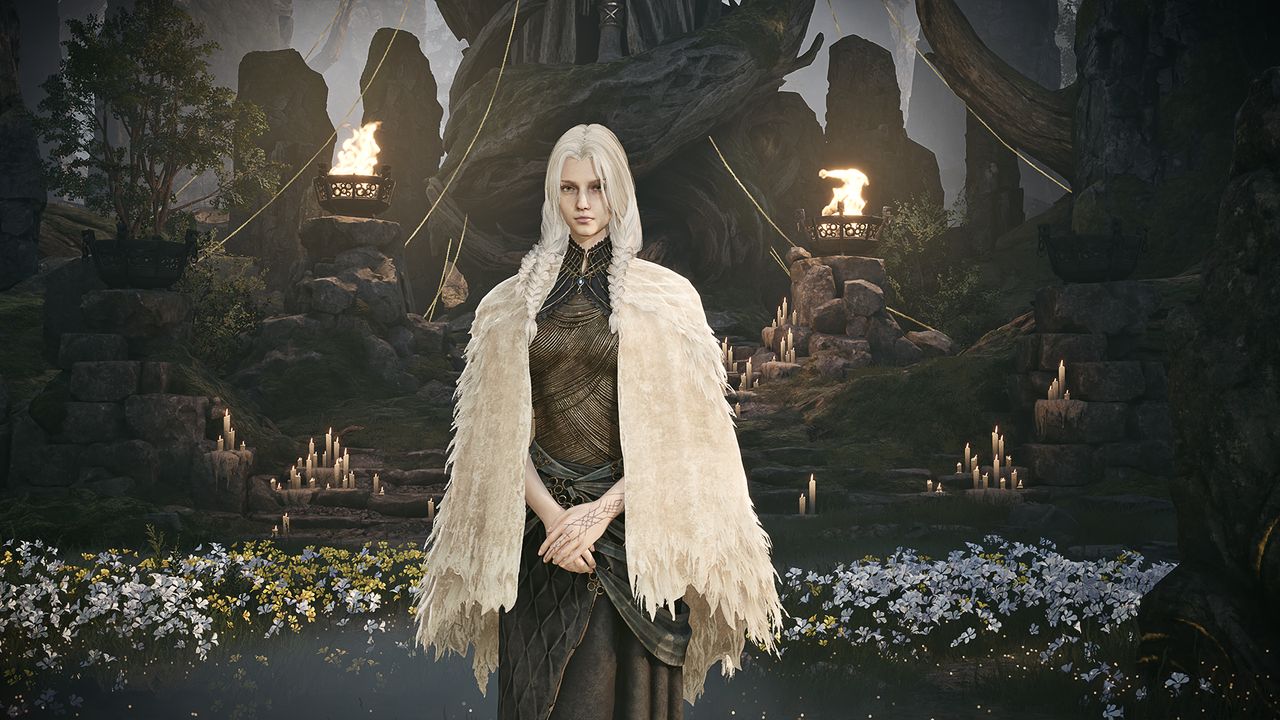 Advanced
Sorcerer Build Guide
Compare Elemental and Stardust setups with practical skill, equipment, affix, and positioning priorities.
 Intermediate
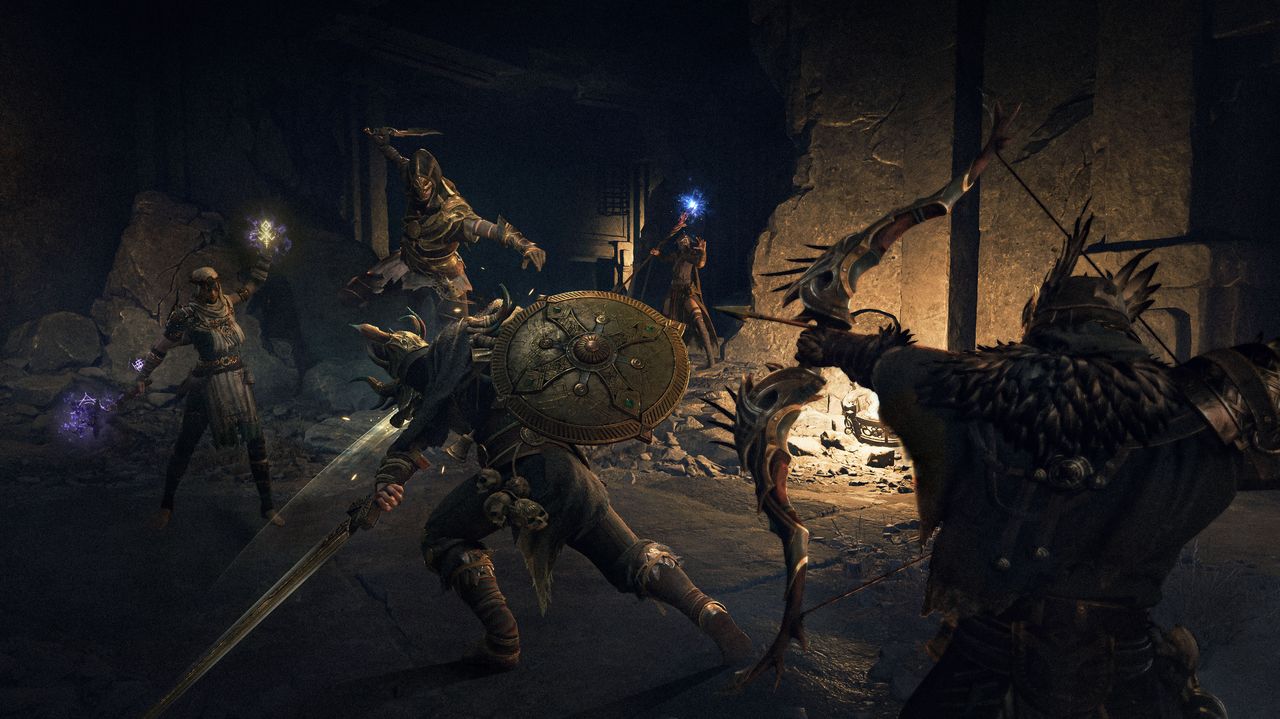
Withered Knight Build Guide
Choose between Greatsword pressure and polearm-shield control for solo, PvP, and organized squad play.
 Intermediate
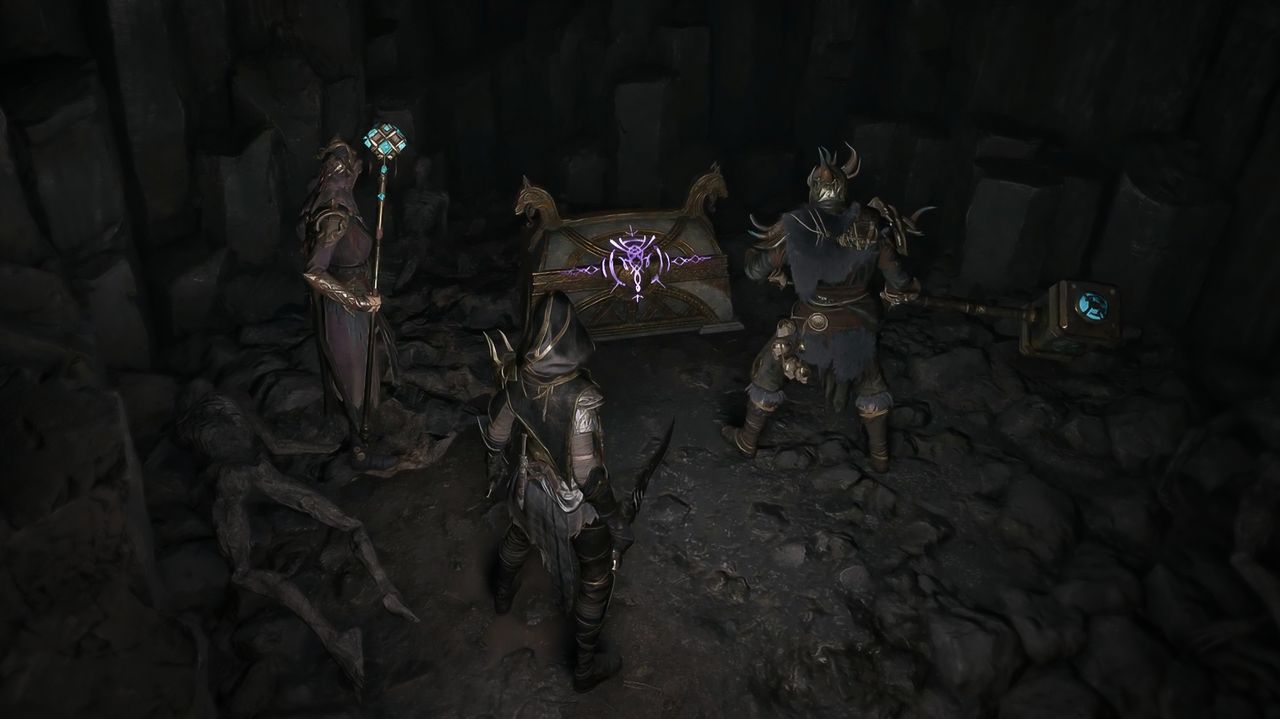
Mercenary Build Guide
Build a reliable sword-and-shield frontline or commit to heavy hammer punish windows.
Want to contribute?
Share a tested route, build, or correction with the Mistfall Hunter community.